
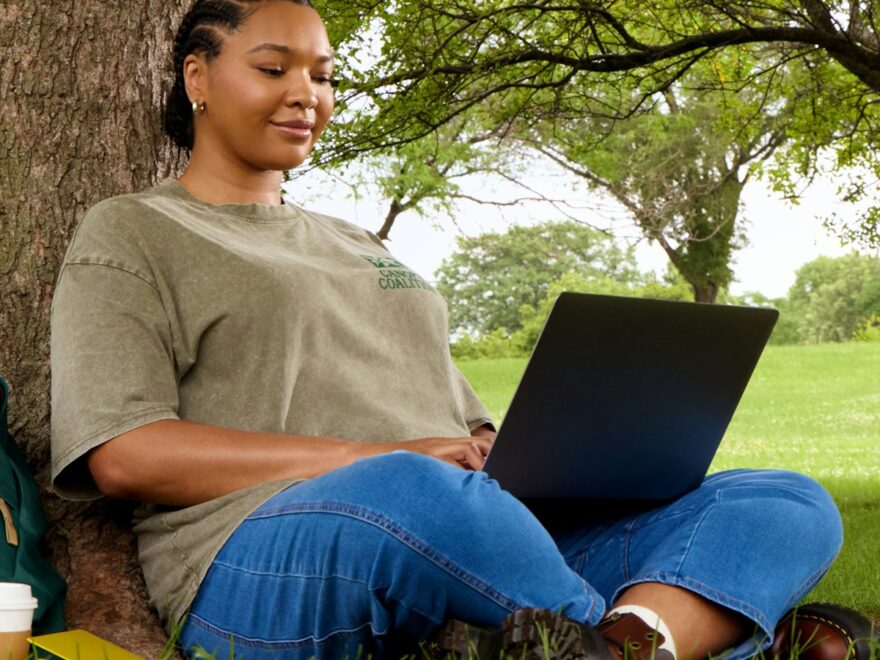
The classroom of the 1990s feels like another era. Back then, learning meant chalkboards, paper textbooks, and long afternoons in a library. Fast-forward to 2025 and education has been completely reshaped by digital tools and remote learning. Here’s how today’s landscape compares—and why the difference matters.
1. Unlimited Access to Knowledge
1990s: Limited and Local
In the 90s, research required encyclopedias, microfilm, or a trip to the public library. Teachers and students were tied to the resources physically available in their district.
Today: Instant and Global
Now a student can stream a Stanford computer science lecture, collaborate on a Google Doc with peers across the globe, or get AI-powered tutoring at midnight. Massive Open Online Courses (MOOCs), YouTube lectures, and open educational resources have turned the entire internet into a living library.
2. Remote Learning as a Standard Option
1990s: Rare and Clunky
Distance education did exist—think VHS tape lessons or correspondence courses—but it was slow and often seen as second-rate.
Today: Normal and Highly Interactive
Remote learning is now a mainstream choice.
- Video conferencing tools like Zoom and Microsoft Teams let students join live classes.
- Learning Management Systems (LMS) such as Canvas, Blackboard, and Google Classroom deliver lessons, track grades, and host discussions.
- Hybrid programs allow flexible schedules—ideal for working adults or career changers pursuing alternative teacher certification.
Many school districts also maintain fully online public schools, and universities increasingly offer accredited degrees without requiring campus attendance.
3. Personalized & Adaptive Education
Digital education allows learning to move at the student’s pace:
- Adaptive platforms like Khan Academy or DreamBox adjust difficulty based on real-time performance.
- AI-powered tutors provide immediate feedback, pinpointing weaknesses and suggesting practice material.
- Teachers can track progress through analytics dashboards, making targeted support easier.
This level of personalization simply wasn’t possible in the 1990s’ one-size-fits-all classrooms.
4. Career & Certification Pathways

Alternative teacher certification is one of the biggest beneficiaries of remote learning.
- Prospective teachers can complete state-required coursework entirely online.
- Exam prep, micro-credentials, and professional development can all happen outside the traditional classroom.
- Career changers can study nights or weekends without leaving a current job—a key reason alternative pathways have grown.
5. Digital Learning Culture
Online education has shifted the culture of learning itself.
- Collaboration now happens in real time, across cities and countries.
- Content is evergreen and updated quickly, so course materials stay relevant.
- Peer learning communities—from Discord study groups to professional Slack channels—keep students engaged beyond scheduled class time.
6. Challenges & Considerations
While the benefits are enormous, digital education brings new issues:
- Equity and access: Reliable internet and devices are still unevenly distributed.
- Distraction and motivation: Online learners need discipline to stay focused.
- Quality assurance: With so many courses available, vetting credible providers is essential.
The Takeaway
Education in the 1990s was rooted in physical classrooms and limited resources. Today, digital education and remote learning have removed those boundaries, giving learners flexible schedules, global classrooms, and tools that personalize the journey.
For aspiring teachers and mid-career professionals, these changes mean you can earn certifications, explore new teaching methods, and keep learning—anytime and anywhere.