
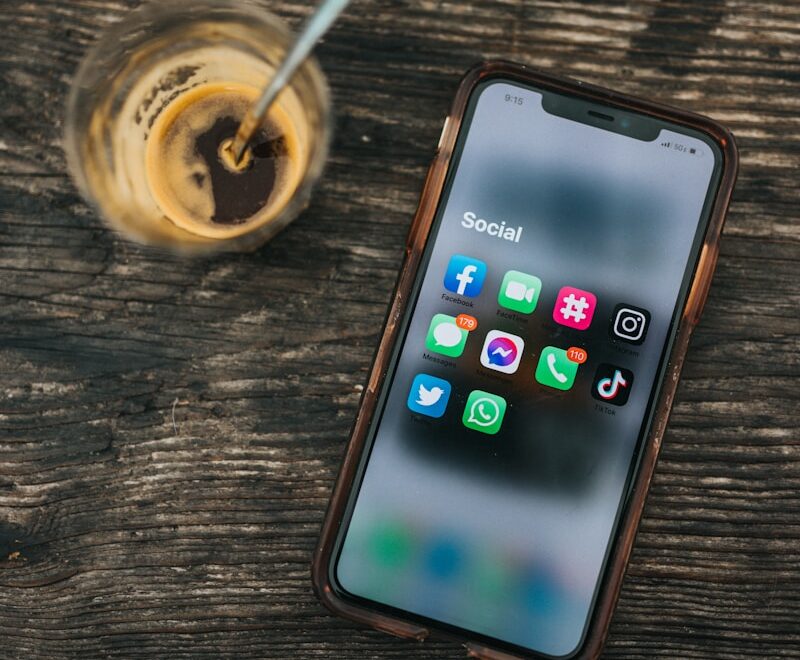
The classroom is no longer the only place where teaching happens.
In 2025, social media is a powerful learning and communication tool, and understanding it has become essential for educators, trainers, and anyone guiding students or building a professional brand.
1. From Hobby to Professional Skill
Not long ago, social media was mostly personal—sharing photos, staying in touch, or following trends.
Today, it’s a critical skill set:
- Schools and nonprofits use platforms like Instagram, TikTok, and YouTube to connect with students and parents.
- Educators and trainers run live Q&A sessions, host virtual office hours, and create micro-lessons that reach a global audience.
- Career changers leverage LinkedIn and niche groups to network and showcase expertise.
What was once an add-on is now part of professional development.
2. Learning the Platforms
Each platform requires a different approach:
- Instagram & TikTok: Visual storytelling and short, engaging videos.
- YouTube: Longer lessons, tutorials, and recorded lectures.
- LinkedIn: Professional networking, thought leadership, and resume-building.
- Discord & Slack: Private learning communities and real-time collaboration.
Free tutorials, online courses, and educator-focused training sessions make it easier than ever to build confidence on these platforms.
3. Why Social Media Matters for Educators
- Student Engagement: Meet learners where they already spend time.
- Digital Citizenship: Model and teach responsible online behavior.
- Community Building: Connect with parents, other teachers, and global education networks.
- Career Growth: Create a personal learning network (PLN) and open doors to speaking, writing, or consulting opportunities.
4. Learning on Your Schedule
Thanks to online learning tools, anyone can master social media without leaving home:
- Short, flexible courses from platforms like Coursera, Udemy, or state-based professional development programs.
- Self-paced video series and step-by-step guides from experienced educators and creators.
- AI-powered content planning tools that help schedule posts and measure engagement.
This flexibility makes social media skills accessible to teachers balancing full schedules or professionals making a mid-career move.
5. Best Practices for Educators
- Stay Professional: Separate personal and professional accounts when needed.
- Protect Privacy: Follow district policies and respect student confidentiality.
- Focus on Value: Share content that educates, informs, or inspires—not just for likes.
Takeaway
Social media is no longer optional.
For educators and career changers, it’s an extension of the classroom and a career asset.
By learning to use these platforms intentionally, you can expand your reach, engage students, and build a strong professional presence—all from anywhere with an internet connection.