
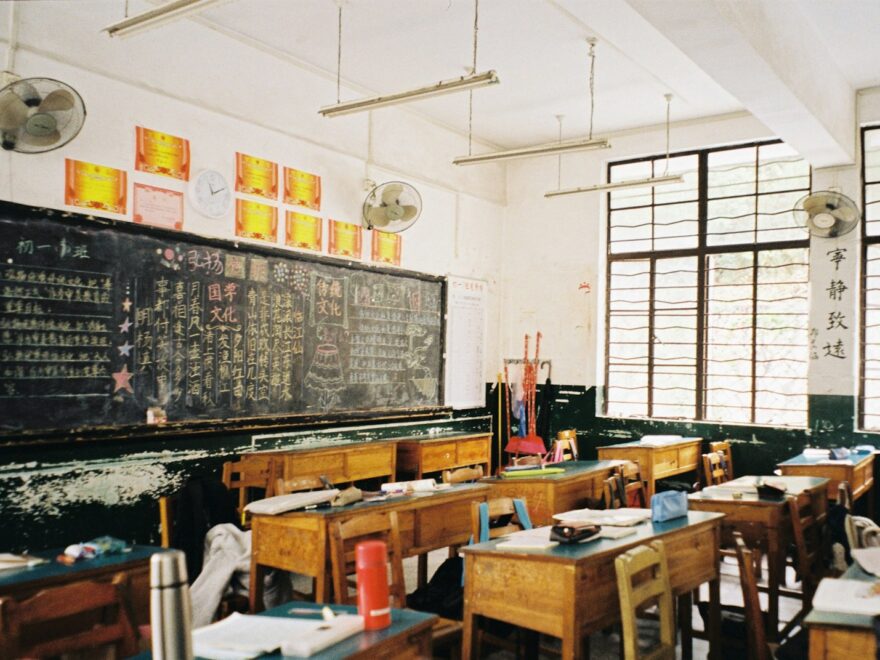
The classroom of the 1990s feels like a different world compared to today’s education landscape. Chalkboards, overhead projectors, and physical textbooks defined the era. Fast-forward to now and nearly every aspect of learning—from where it happens to how students interact—has transformed.
1. Access to Knowledge
1990s:
Information was mostly limited to what you could find in a school library or purchase in a textbook. Research meant hours spent flipping through encyclopedias or microfilm.
Today:
Resources are a click away. Online databases, open-source textbooks, YouTube lectures, and AI-powered tutoring put an entire global library in a pocket. Students can watch a physics lecture from MIT or join a live Q&A with a scientist halfway across the world.
2. Flexibility and Online Learning
1990s:
Classrooms were physical and schedules were rigid. Distance learning existed but was often mail-based, slow, and expensive.
Today:
Online education is mainstream. From K–12 supplemental programs to college degrees and professional certificates, learners can study from anywhere. Platforms like Coursera, Khan Academy, and state-specific online high schools make it possible to learn on evenings, weekends, or during a commute.
3. Tools and Technology

1990s:
Computers were rare in classrooms, and the internet was dial-up. Teachers relied on overhead transparencies, printed handouts, and in-person discussions.
Today:
Digital whiteboards, tablets, and learning management systems (LMS) keep lessons interactive and collaborative. AI tools help with personalized feedback, while video conferencing platforms make virtual classrooms seamless.
4. Career & Certification Pathways
1990s:
Alternative teacher certification was a developing idea. Most teachers followed a traditional four-year college-to-classroom pipeline.
Today:
Alternative routes are widely recognized and supported online. Mid-career professionals can earn micro-credentials, complete state exams, and transition to teaching without leaving their current job—something alt-teachercert.org is built to simplify.
5. Learning Culture
1990s:
Education was largely one-size-fits-all. Students had limited say in what or how they learned.
Today:
Student choice and individualized pathways are central. Whether it’s coding bootcamps, hybrid college degrees, or specialized certificates, learners can tailor their education to match career goals and personal interests.
The Takeaway
Education in the 1990s was shaped by physical classrooms and limited access to information. Today it’s defined by flexibility, digital tools, and endless resources. For career changers and future teachers, these advances mean it’s never been easier to start or shift a career in education—no matter where you live.